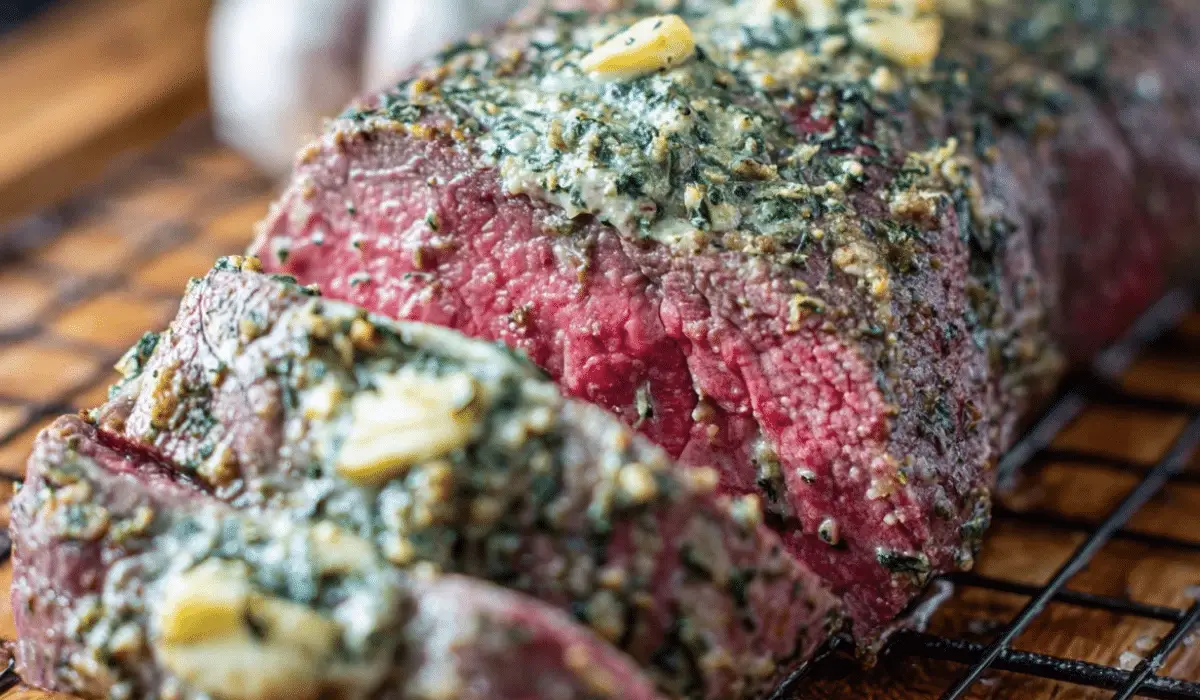
Elevate your culinary repertoire with a dish that consistently impresses: beef tenderloin with garlic butter. This elegant and surprisingly accessible recipe combines a golden-brown crust with an irresistibly tender, juicy interior, all infused with the aromatic richness of garlic and butter. It's a showstopper perfect for holiday gatherings, special celebrations, or simply when you desire a touch of luxury at your dinner table.
Forget the intimidation factor often associated with premium cuts. Our guide ensures your garlic butter beef tenderloin comes out perfectly cooked every time, proving that decadence can indeed be foolproof. The magic lies in a simple yet effective sear-and-roast method, locking in flavors and textures that will have your guests asking for the recipe.
The Art of the Perfect Beef Tenderloin with Garlic Butter
At its heart, this dish celebrates the exquisite qualities of beef tenderloin. Known for its unparalleled tenderness and lean profile, it's a cut that merits a special approach. When adorned with a rich garlic butter and expertly cooked, it transforms into an unforgettable dining experience.
Why Choose Beef Tenderloin?
The tenderloin, or fillet, is prized for being the most tender cut of beef. Located along the spine, it does very little work, resulting in incredibly fine muscle fibers that practically melt in your mouth. While it's a lean cut, meaning it doesn't have a lot of intramuscular fat (marbling), its tenderness makes it a top choice for elegant meals. It’s a splurge-worthy ingredient that, when cooked correctly, delivers a luxurious texture that few other cuts can match.
Essential Ingredients for Success
The beauty of this recipe lies in its simplicity. High-quality ingredients are key, as each plays a vital role in the final flavor profile:
- Beef Tenderloin: Opt for a center-cut whole tenderloin roast, typically 2-4 pounds. Look for a consistent shape for even cooking.
- Kosher Salt & Freshly Ground Black Pepper: Generous seasoning is crucial. These aren't just for flavor; salt also aids in creating that beautiful crust during searing.
- Olive Oil: Used for searing. Choose a good quality extra virgin olive oil with a moderate smoke point.
- Unsalted Butter: The foundation of our flavorful compound butter. Unsalted allows you to control the overall sodium content.
- Fresh Garlic: Absolutely non-negotiable! Freshly minced garlic provides an incomparable aromatic punch that dried garlic simply cannot replicate.
- Butcher's Twine (Optional but Recommended): For tying the roast, ensuring even cooking and a cohesive shape.
Mastering the Sear & Roast Technique
The journey to a perfect garlic butter beef tenderloin involves two crucial cooking phases: searing on the stovetop and roasting in the oven. This combination achieves the best of both worlds – a deep, flavorful crust and a succulent, evenly cooked interior.
Prepping Your Tenderloin: The Butcher's Twine Secret
Beef tenderloin often tapers at the ends, leading to uneven cooking if not addressed. Tying the tenderloin with butcher's twine helps immensely. This technique ensures a uniform thickness across the entire roast, promoting even cooking from end to end. If you're unsure, don't hesitate to ask your butcher to tie it for you. Otherwise, it’s a straightforward process:
- Loop a piece of twine lengthwise around the roast and tie a knot.
- Starting at one end, create loops around the width of the meat, about 1-2 inches apart, tying each loop to the lengthwise string.
- This technique compacts the meat, preventing the thinner ends from overcooking before the thicker center is done.
Pat your tenderloin thoroughly dry with paper towels before seasoning. Moisture is the enemy of a good sear.
The Searing Stage: Building Flavor and Crust
Searing is not just about browning; it's about flavor development. The high heat creates the Maillard reaction – a complex chemical process that produces hundreds of new flavor compounds and that coveted crispy, golden-brown crust. For this, you'll need a heavy-bottomed pan or cast-iron skillet, capable of holding high heat.
- Heat a generous amount of olive oil in your skillet over medium-high to high heat until shimmering, just before it begins to smoke.
- Carefully place the seasoned tenderloin in the hot oil. Avoid overcrowding the pan; if necessary, sear in batches.
- Sear each side for 2-3 minutes, including the ends, until a beautiful, deep brown crust forms all around. This rapid browning not only adds incredible flavor but also helps to lock in juices.
The Aromatic Heart: Crafting Your Garlic Butter
Once seared, the beef tenderloin is generously coated with our signature garlic butter. This isn't just a topping; it's a flavor infusion that bastes the meat as it roasts, permeating every slice with its aromatic goodness. For truly exceptional results, consider adding fresh herbs like finely chopped rosemary or thyme to the butter mixture for an extra layer of complexity.
- In a small bowl, combine softened unsalted butter with plenty of freshly minced garlic.
- Stir well to ensure the garlic is evenly distributed throughout the butter.
- After searing, remove the tenderloin from the pan and spread this luxurious garlic butter mixture all over the hot, seared surface. The residual heat from the beef will begin to melt the butter, allowing it to cling beautifully. This step ensures every bite is infused with a rich, savory aroma.
Oven Roasting to Perfection
The final cooking stage takes place in a hot oven, bringing the tenderloin to your desired doneness. High heat roasting creates a slightly crisp exterior while keeping the interior incredibly tender. This is where your meat thermometer becomes your best friend.
- Transfer the garlic butter-coated tenderloin to a roasting pan.
- Roast in a preheated oven (typically 400-425°F or 200-220°C) until it reaches your desired internal temperature.
- Crucially, use a digital probe meat thermometer inserted into the thickest part of the roast, avoiding the bone or fat. This is the only way to guarantee perfect doneness without guessing.
- Target Temperatures (remember meat will continue to cook as it rests):
- Rare: 120-125°F (49-52°C) - Pull at 115-120°F
- Medium-Rare: 130-135°F (54-57°C) - Pull at 125-130°F
- Medium: 135-140°F (57-60°C) - Pull at 130-135°F
Achieving Peak Tenderness and Flavor
The Indispensable Rest
Once your beef tenderloin reaches its target internal temperature, remove it from the oven immediately. This is perhaps the most critical step often overlooked. Tent it loosely with foil and let it rest for at least 10-15 minutes.
During roasting, the muscle fibers contract, pushing the juices to the center of the roast. Resting allows these juices to redistribute throughout the meat, resulting in an incredibly tender, moist, and flavorful final product. Slicing too early will cause those precious juices to run out onto your cutting board, leaving you with drier meat.
Carving and Serving: Presentation Matters
After resting, it’s time to carve and serve your masterpiece. Use a sharp carving knife to slice the tenderloin into your desired thickness, typically ½-inch to ¾-inch slices. Arrange them beautifully on a platter, drizzling with any leftover garlic butter and pan juices from the roasting pan. These flavorful drippings are liquid gold!
Complementary Sides for an Exquisite Meal
A dish as magnificent as garlic butter beef tenderloin deserves equally delightful accompaniments. Think about sides that offer contrasting textures and flavors, enhancing the richness of the beef:
- Roasted Vegetables: Parmesan roasted broccoli, roasted asparagus, or sautéed Brussels sprouts provide a fresh, slightly bitter counterpoint.
- Potatoes: Creamy mashed potatoes (perhaps Instant Pot mashed potatoes for ease), twice-baked sweet potatoes, or crispy roasted potatoes are classic pairings that soak up the delicious pan juices.
- Green Salad: A simple, vibrant green salad with a light vinaigrette can offer a refreshing break between rich bites.
- Wine Pairing: A robust red wine like Cabernet Sauvignon or Merlot would be an excellent choice to complement the beef.
Tips for a Fool-Proof Garlic Butter Beef Tenderloin Every Time
- Room Temperature: For more even cooking, let your tenderloin sit out at room temperature for about 30-60 minutes before searing.
- Don't Skimp on Seasoning: Beef tenderloin is a large cut; it needs a generous hand with salt and pepper to truly bring out its flavor.
- Hot Pan, Not Smoking: Ensure your skillet is hot enough to achieve a good sear, but not so hot that the oil is smoking excessively, which can burn the exterior before proper browning.
- Trust the Thermometer: Seriously, a good digital meat thermometer is the single best investment for cooking perfect roasts. Don't rely on visual cues alone.
- Don't Peek: Resist the urge to constantly open the oven door, as this drops the temperature and lengthens cooking time.
- Leftovers: Store any leftover beef tenderloin in an airtight container in the refrigerator for up to 3 days. It can be delicious cold in sandwiches or gently reheated.
Cooking beef tenderloin with garlic butter isn't just a recipe; it's an experience. From the initial sear that develops deep flavors to the aromatic roasting and the critical resting period, each step contributes to a dish that is truly special. With this comprehensive guide, you're now equipped to create a memorable, tender, and juicy garlic butter beef tenderloin that will undoubtedly become a celebrated staple in your kitchen. Enjoy the journey of bringing this exquisite dish to life!
